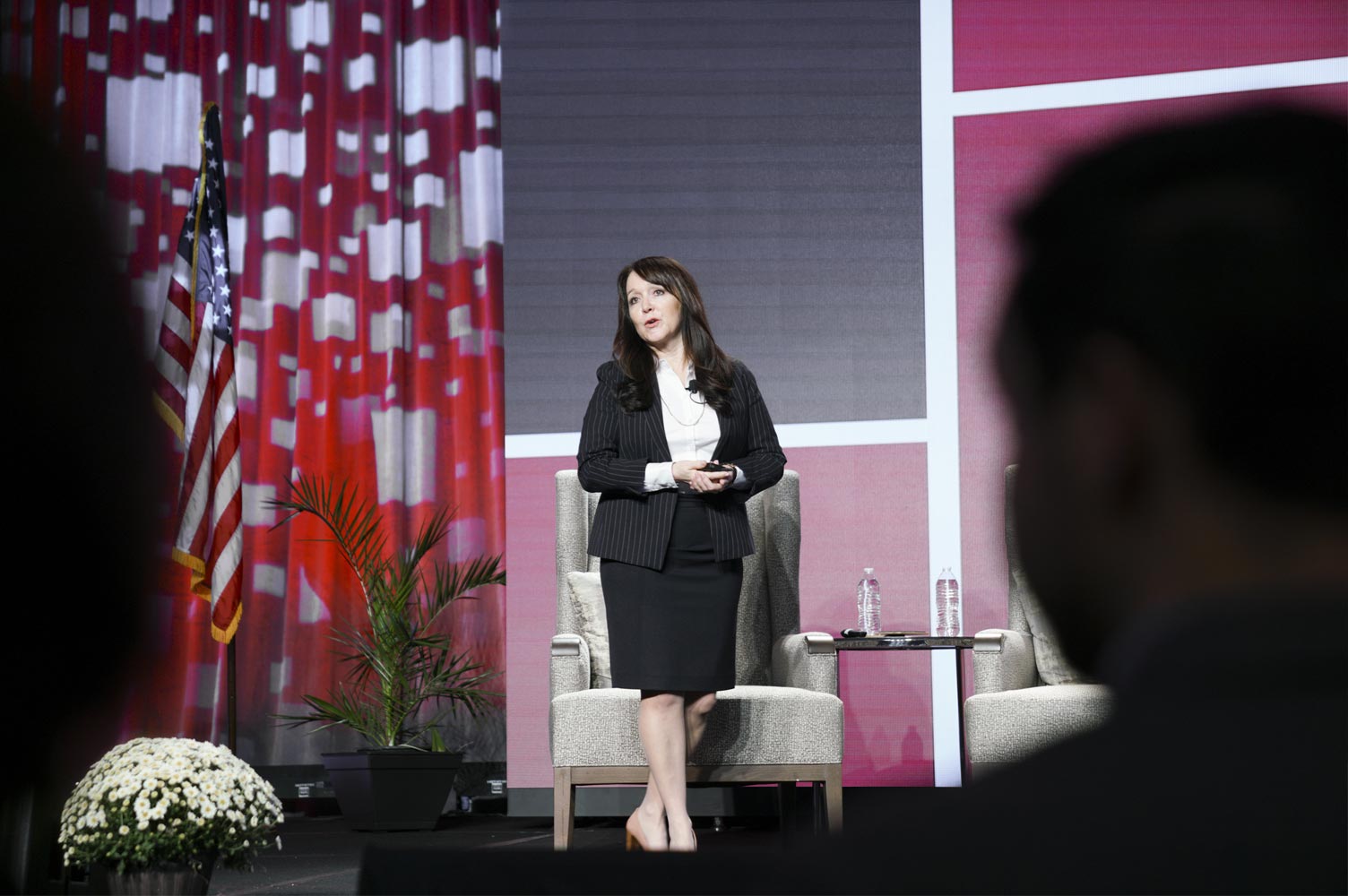
What changes have you made and are looking to make at CalPERS?
There has been quite a bit of activity since I started at CalPERS. It’s been a blessing to have a high quality executive team in place that I can rely on to implement our ideas.
The first one we worked on was getting refocused about the overall health of the plan. One of the indicators of the health of the plan was the funded status. When I came in October 2016, our funded status sat at about 64%, and today it’s around 71%. There are certainly some reasons for that -- markets have the most impact. But reducing the discount rate was a significant policy change made in December 2016 that helped make the fund more sustainable. This brought in additional contributions that were necessary for the health of the fund. It was a difficult decision for the board to move from 7.5% to 7%; it was a particularly difficult decision for employers since they were taking on most of the cost for that decision. It’s very important that we are able to engage with the employers, who we consider our partners, and work with them through their current and future budgets. To this end, we phased in the discount rate change over three years to give them more lead time to evaluate what they had to do to carry the additional costs and be effective in doing it.
The second change I have emphasized is to not only reduce the risk but to understand the risk that we are taking, reducing cost, and reducing complexity. As many know, CalPERS is the most complex U.S. pension system; this drives cost, variation, and service issues with our customers. We are getting refocused on what we can provide and do well. This is in our five-year strategic plan, so you will see more work on the complexity side in the coming years.
Something that was already in place when I got here but that I feel strongly about is that CalPERS wants to have strong stakeholder engagement. We want to make sure that we are accessible to people, that there are no surprises, and that we share information with them in advance of the board meeting. The last thing we want to do is to surprise an employer or a member group with a board item that they were completely unaware of. I define stakeholders as anyone who would have a potential interest in a decision made by the organization, so employers, members, and even the media are a part of this. Also, we have gotten more comfortable saying that we may not always agree. We strive to be accessible, a reliable partner and welcome bringing contrary information that we will consider, but there likely will be times that we will not agree and should be okay with this. We have a fiduciary responsibility to the members and beneficiaries of the organization.
Our views can sometimes feel narrow compared to the employers, who have many more things they must worry about.
Reducing costs is very important as we track costs for each member; there will be more on this at future board meetings. Lastly, the risk on the investment side is a primary focus. When you are 71% funded, you have to be very careful of the risks you are taking. We always have to be looking at the fact that we are a long-term investor and have to be factoring in these risks, both in the short term and the long term.
The fund is at 71% funding. What efforts are you taking to increase the funded level status?
The discount rate change was the first decision aimed at the sustainability of the fund. 7.5% was not realistic in what we could expect from the markets. The unanimous decision was a good indicator of the group working together to solve these problems and find best outcomes.
The next most significant change was the amortization policy change. Our Chief Actuary, Scott Terando, brought the policy change of moving from a 30-year amortization period to a 20-year amortization period to the executive team for a discussion. We were an outlier here; we have a strong actuary team that thought this was outside where their professional judgment would be. We walked stakeholders through the reasons why we were making this change and walked them through how we would implement it. We did a webinar that was well received by the employers; again, what we want to do is make sure that we can provide the information employers need to be successful. We got a lot of positive feedback on this at the California Society of Municipal Finance Officers conference earlier this year.
 Another thing we do every four years is the asset liability management process, where we look at how assets are being allocated across classes like public equity and private equity and look at the risk levels we are willing to take. For example, how much do we want invested in private equity versus global equity? We finished this process in December so we have a strong asset allocation in place for the next four years.
Unfunded actuarial liability is also an issue. Most of our conversations with employers reflect that the normal cost of the plan is something that is predictable to them. The unfunded liability is where they are having a hard time charting what those costs might be year over year. One thing that the Governor and the Legislature did was make an additional payment, not a required contribution, to the unfunded actuarial liability, giving the system an addition $6 billion. That alone moved CalPERS into a positive cash flow position going into 2018, which is a very good position for a mature plan like CalPERS to be. We had been negative cash flow for some time before that.
One of the recommendations I talk to employers about, and that we are preparing a webinar on, is how to help them manage the unfunded liability payments. Pre-payments, not amortizing it or financing it over twenty years, is the best possible way; but we also know that budgets are strained. To the extent people have options to provide voluntary contributions, it really is an effective way to get that paid down sooner rather than later. Last but certainly not least, CalPERS is supporting Dillon Gibbons, CSDA Senior Legislative Representative, and special districts. He came before the board and shared his work with a bill sponsor, a legislator, to get a spot bill in that would have CalPERS offer a 115 trust, which is a pre-funding vehicle to prefund your pension liabilities. We are working with Dillion, as well as Dane Hutchings from the League of California Cities and Dorothy Johnson from California State Association of Counties, to see in what way we can help move that forward.
How is CalPERS addressing divestment concerns?
CalPERS is in a unique position to influence the companies we invest in because of our size and scale as the largest public pension plan in the country. What we have seen is that our engagement efforts really work. We’ve been doing communication outreach on how divestment is not the first answer. We have worked with a number of legislators, stakeholders and interest groups that have been trying to persuade CalPERS to divest from some certain industries, certain products or certain countries.
We have done divestment based on where we think the risks are to the long-term performance of the fund, but divestment as a social reason to divest is something we have to be very concerned about for a number of reasons. One goes back to the funded status. We have to be opportunistic in our investing; we don’t ever want to find ourselves in a position that the markets have such a negative outcome that our 71% status goes down to the 50% status. That would be very difficult for a fund of our size to recovery from. We want to be able to engage and influence companies to change behavior, and we have great examples of doing that. We all have interest in doing better for the good, but we always have to keep in mind that our fiduciary duty to our member is being able to pay the benefits long-term.
What should our districts be doing in either working with CalPERS or in addressing the increased cost of being a member of CalPERS?
One of my observations in coming in to CalPERS was that I didn’t see many employers at the board meetings. Though we do have the stakeholder meetings that are well attended, we didn’t hear the employer voice at the time critical decision were being made by the board. That has changed; you’re seeing the employers attending the board meetings, sharing the impact of policy decisions on their particular city, county or special districts. Or we’ll hear Dillon or Dane come talk about it from a global perspective.
We need to hear the employer voice, and I encourage you all to continue speaking up. It’s important to have balanced views and balanced data as we make decisions. There have been requests from employers to put the board on a road show and take them to Southern California. We are willing to look into the possibility of this. In the meantime, if you can’t attend the meeting in person in Sacramento, every board meeting and past board meeting is live-streamed online and available for public viewing. We also take public comments in writing, and if you make a special request the chair or president of the board may read it for public record. There are numerous ways you can get involved.
Another option is the employer education forum we hold every year in October. It is well attended -- but well attended by same employers every year. If you are an employer and have never attended, we encourage you to do that. There are tracks set up for your payroll people and for leadership, and this year we are working on adding tracks for elected officials. Employers are our partners; we can’t run the system without having a strong and effective relationship with them. That’s very important so that the pension obligations can be fulfilled and all the voices feel like they have been heard before a major decision is made.
Is there anything else you want to share with our readers?
Yes, I’d like to share a little bit about the role of CalPERS. Given some recent history, there are people who think that CalPERS has operated outside of its role, particularly on the benefit side. What I would say is that our job when it comes to the benefits is to service our customer members and to service them well; to make sure they get the benefits they earned, nothing more or nothing less; but that they feel that they have had a respectful interaction, have been given accurate information and responsiveness to their needs. Some critics have voiced concern that CalPERS takes too much of an advocate position on the benefits and that’s something that we will continue to work with.
Lastly, employers worry about the next thing that might increase their CalPERS contribution, but we have made the big decisions – the discount rate change and the amortization policy were the two significant decisions. Now it’s about managing the system and investments moving forward. We have a path to getting back to full funding and the path is filled with tough decisions, but as I said two of the most significant decisions have already been made. Both decisions are being phased in to give employers time to plan for them. I do not see another significant policy change in the immediate future. The changes brought by PEPRA will be significant, and will save as much as $38 billion over the next 30 years, even if the real impact is a few years out. There is a path to sustainability and I am confident we will get there.
Marcie Frost will be the Keynote Speaker at CSDA’s Special Districts Legislative Days in Sacramento on May 22-23, 2018.